Making the 3PL Decision: Cost, Capacity, and the Real Impact of Waiting on Your Supply Chain
By Amit Rosenthal, March 15, 2026
In the world of modern e-commerce and global trade, fulfilment has transformed. It is no longer just a back-end warehouse function hidden away in a spreadsheet. Today, it is a front-line business challenge that can either accelerate your growth or act as a permanent brake on your revenue. As an Amazon seller or e-commerce brand, you are facing a landscape where costs are volatile, customer expectations are at an all-time high, and operational strain is constant.
Many companies reach a tipping point where managing logistics in-house is no longer a viable strategy. Fulfilment is expensive, complex, and notoriously difficult to manage for those whose core competency is product development or marketing. Industry estimates suggest that logistics costs can range anywhere from 5% to 15% of total order value. If you process 100,000 orders a year, you could easily spend $1 million on inventory management and shipping.
The question for most growing brands is not if they need a third-party logistics (3PL) partner, but how much growth they are sacrificing by waiting to make the move. Every month spent "firefighting" in a warehouse is a month not spent building your brand.
Why E-commerce Fulfilment is Now a Major Business Constraint
For years, logistics was seen as a cost center. Now, it is a strategic bottleneck. The shift in customer expectations has been radical. Research shows that 90% of customers rate an immediate response as important, often defining "immediate" as ten minutes or less. This pressure extends to the physical delivery of goods. If your fulfilment process is slow or your shipping rates are too high, your conversion rates will suffer.
Parcel shipping is a primary area where constraints emerge. Carriers like UPS, FedEx, and USPS raise their rates annually, and often introduce additional surcharges without much warning. This creates constant upward pressure on your margins. A single-facility operation simply does not have the leverage to negotiate with these giants. A professional 3PL partner, however, uses pooled volume to secure rates that an individual seller could never access.
Growth often hides these problems until they become crises. You might start by handling a few hundred orders a day from a local warehouse or even your own garage. But when you hit 20,000 orders a month, the cracks start to show. You run out of warehouse space. You miss vendor compliance requirements for major retailers. You lose customers because shipping takes too long. When these scenarios start throttling your revenue, the cost of inaction becomes higher than the cost of the transition.
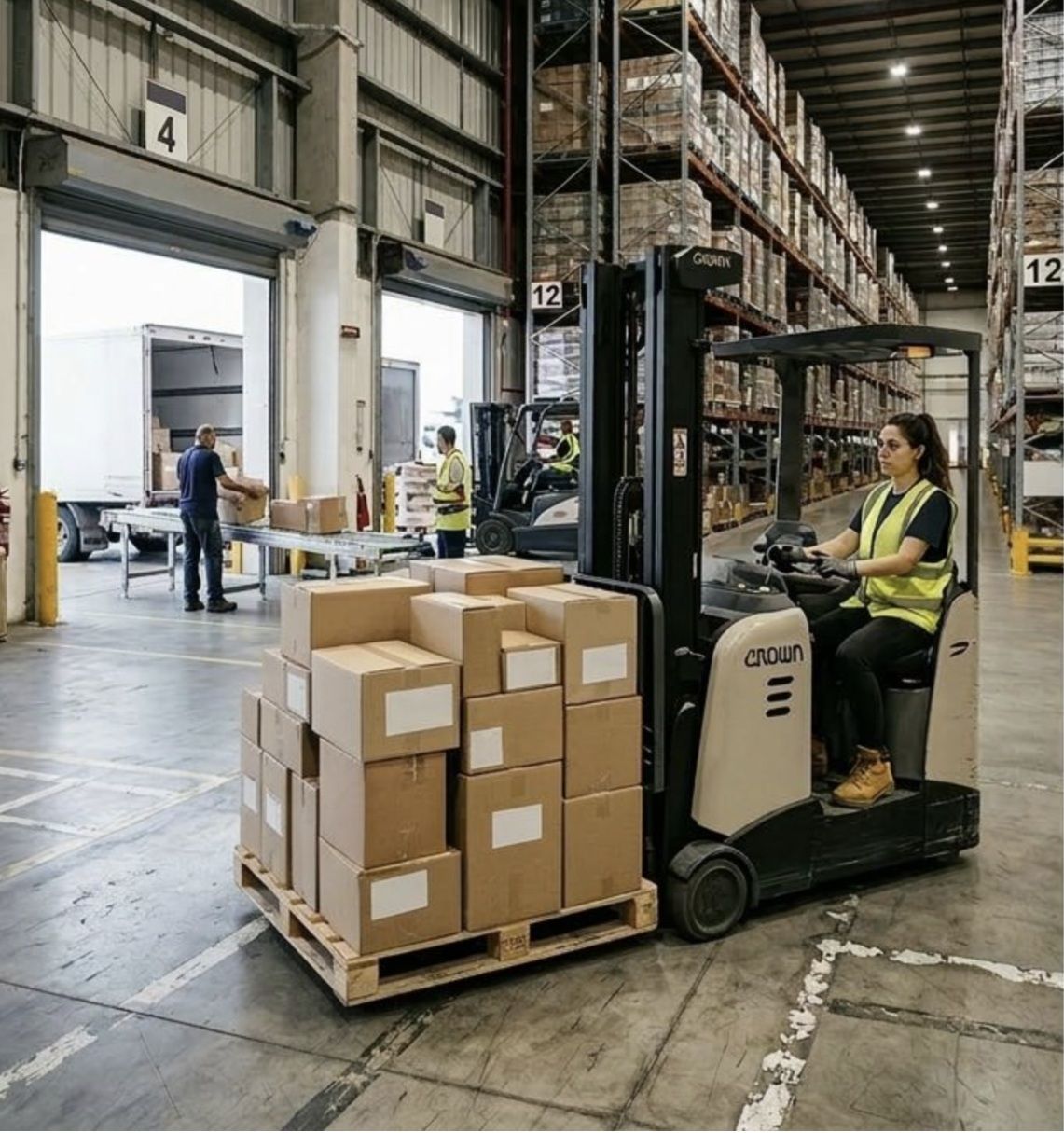
From Firefighting to Strategic Focus: The Operational Case for 3PL
Most entrepreneurs did not start their companies because they wanted to become warehouse managers. They started building products and connecting with audiences. Unfortunately, in-house fulfilment demands constant attention. You have to manage warehouse staff, negotiate with carriers, troubleshoot inventory discrepancies, and prepare for peak seasons. These tasks pull resources away from what actually drives revenue.
Handing off execution to a 3PL changes the internal math of your business. It allows your leadership team to focus on brand development, social media strategy, and revenue growth. A reliable logistics partner handles the hiring and training of labour. They find the capacity during the fourth quarter so you do not have to.
Volume matters. If you are shipping 500 orders a day from a single location, your per-unit cost is significantly higher than that of a 3PL moving tens of thousands of orders across a multi-node network. By using multiple distribution points, you reduce in-transit time and shrink your shipping costs. This is an economy of scale that individual sellers cannot match on their own.
Scaling Without Overbuilding: Avoiding Infrastructure Risk
Building your own fulfillment capacity before the demand is fully proven is a massive risk. In today's environment, where trade complexities and tariffs can change overnight, inventory planning is harder than ever. If you invest in a large warehouse and sales miss projections, those fixed costs become a weight around your neck. If you stay too small and sales explode, you fail your customers.
A 3PL absorbs this variability. Your storage, labor, and shipping costs become variable instead of fixed. You only pay for what you actually use. If your order volume swings 300% between January and November, a 3PL scales with you without requiring you to lease new buildings or hire seasonal staff yourself.
Case Study: Scaling for the TikTok Shop Surge
Consider the case of a global cosmetics brand that saw an unexpected surge through TikTok Shop. Viral trends can create demand spikes that would crush a traditional in-house operation. By partnering with a mature 3PL like Qualfon, the brand was able to process over three million products and assemble one million beauty kits in a fraction of the time. Shipping transit times were cut from five days to just one.
The 3PL engineering team used AI to analyze historical patterns and identify bottlenecks before they happened. This level of planning turned a potential operational disaster into a massive win for the brand. This is the difference between having a warehouse and having a strategic logistics partner.
Experience and Technology: Why Process Maturity Matters
Building fulfillment expertise from scratch is a path paved with expensive mistakes. Trial and error in a warehouse costs money in three specific ways:
Lost Orders: Learning how to manage peak season the hard way leads to late shipments and canceled orders.
Inventory Shrinkage: Teams that struggle with inventory accuracy often have to write off damaged or missing products at year end.
Customer Churn: Testing new workflows on live orders slows down processing and leads to refunds and lost repeat business.
A 3PL that has already solved these challenges provides an immediate upgrade to your brand's reliability. They have optimized workflows, mature technology stacks, and contingency plans for weather disruptions or labor shortages. They offer transparency, allowing you to see exactly where your inventory is at any given moment.
10 Signs It is Time to Reevaluate Your Current Logistics Setup
If you are already working with a provider or managing it yourself, you need to be honest about their performance. Here are ten red flags that indicate your current setup is holding you back:
Information Gaps: You cannot get real-time answers about order status or inventory levels.
Missing Inventory: You have significant year-end write-offs due to damaged or "missing" products.
SLA Failures: Your warehouse consistently misses shipping deadlines or service level agreements.
Lack of Communication: You have to chase down information instead of receiving proactive updates.
No Personalization: Your provider cannot handle gift wrapping, custom packaging, or branded materials.
Inflexible Returns: Customer churn is high because your return policy is difficult to execute.
Rising Cart Abandonment: Shipping costs are too high or delivery options are too rigid for your customers.
No Strategic Insight: Your provider does not inform you about carrier rate increases or tariff changes.
Single-Point Failure: You lack a dedicated point of contact who understands your business needs.
Scalability Issues: Your provider cannot handle sudden spikes in volume during promotional events or peak seasons.
If these issues sound familiar, you are not just dealing with a warehouse problem. You are dealing with a business growth problem.
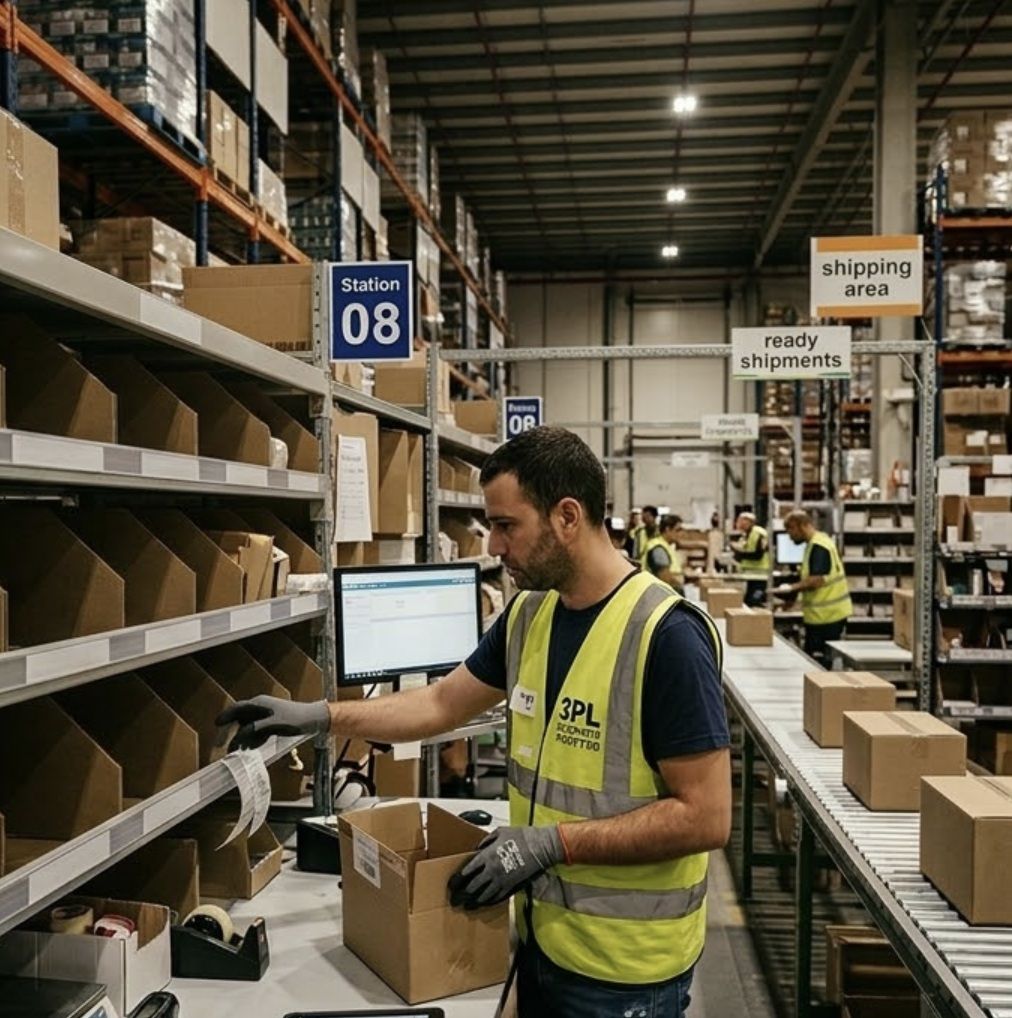
Making Your 3PL a Strategic Partner
Choosing a 3PL goes beyond comparing line-item rates on a spreadsheet. You are looking for long-term alignment. A true partner should communicate proactively. They should be able to handle marketplace diversification as you expand from Amazon to Walmart, TikTok Shop, or your own Shopify store.
Trust and transparency are the foundations of these relationships. You need to know that your partner treats their employees well and invests in the communities where they operate. Mission-driven providers often have longer-tenured staff who genuinely care about the quality of their work. This leads to higher accuracy and better results for your brand.
When a 3PL partnership is working well, issue resolution happens in hours rather than days. On-time shipping rates improve. Quality scores go up. Most importantly, you regain the mental bandwidth to focus on your business's high-level strategy.
The Cost of Inaction: Why Waiting is a Risk
The most dangerous phrase in logistics is "let's wait one more quarter." Every quarter you wait to optimize your fulfillment is a quarter where you are overpaying for shipping, losing customers to slow delivery, and wasting your team's time on low-value operational tasks.
Marketplace complexity is increasing. Tariff regulations are shifting. The brands that win in 2026 and beyond will be those that have the flexibility to scale and the partners to navigate global challenges. The savings you miss today by not acting are often much higher than the cost of making the transition.
Stop managing your warehouse and start growing your brand.
Optimize Your Logistics Today
If you are ready to stop firefighting and start scaling your e-commerce business with professional oversight and real-time inventory control, it is time to upgrade your tech stack.
Connect with the Proboxx Warehouse Manager and Streamline Your Supply Chain
By leveraging a professional 3PL strategy, you ensure that your capacity always matches your growth. Do not let fulfilment be the reason your business stops moving forward.
Author Bio: Amit Rosenthal
Amit Rosenthal is a supply chain and logistics specialist with deep experience in international freight, E-commerce fulfilment, and marketplace logistics strategy.
As part of Proboxx, Amit works closely with Amazon and multi-channel sellers to reduce logistics costs, improve inventory flow, and build more resilient supply chains beyond a reliance on default FBA.